
Journal

Branding in Interior Design: Creating Spaces That Speak

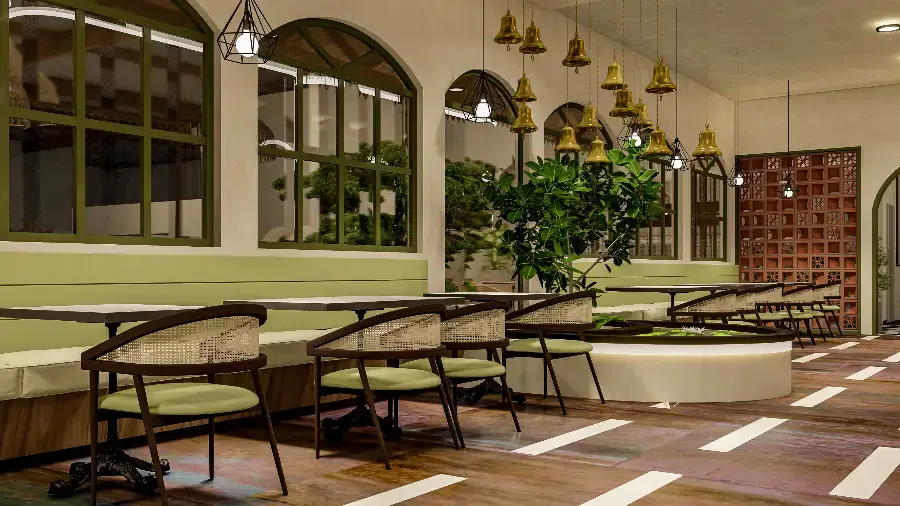
Interior design is not only about making a space look beautiful. A well-designed space should also communicate the brand’s personality, values, and purpose. This is where branding becomes an important part of interior design. For restaurants, cafés, retail stores, offices,...

Interior design is not only about making a space look beautiful. A well-designed space should also communicate the brand’s personality, values, and purpose. This is where branding becomes an important part of interior design.

For restaurants, cafés, retail stores, offices, clinics, and hospitality spaces, the interior is one of the strongest ways to express the brand. When customers enter a space, they should immediately feel what the brand stands for.

Branding Creates a Strong First Impression

The first impression of a space can influence how people feel about the business. Colors, materials, lighting, signage, furniture, and layout all work together to create an experience.

A strong brand-focused interior makes the space feel professional, memorable, and trustworthy. It helps customers understand the business even before they interact with the team or try the product or service.

Interior Design Brings the Brand to Life

A logo and color palette are important, but branding should not stop there. Interior design gives the brand a physical form. It turns the brand identity into a real experience that people can see, feel, and remember.

For example, a luxury brand may use rich materials, soft lighting, and elegant finishes. A youthful food brand may use bold colors, playful graphics, and casual seating. Each design choice should support the brand’s message.

Consistency Builds Recognition

Brand consistency is very important in interior design. The space should feel connected to the logo, packaging, website, social media, and marketing materials.

When everything follows the same visual direction, the brand becomes easier to recognize. Customers start to remember the business not only by name, but also by its look, feel, and overall experience.

A Branded Space Improves Customer Experience

Good branding helps guide the customer journey. Clear signage, menu boards, wayfinding, display areas, and feature walls can make the space easier to understand and more enjoyable to use.

When branding and interior design work together, the customer experience becomes smoother. People know where to go, what to do, and how to connect with the space.

It Helps the Business Stand Out

Many businesses offer similar products or services, but the way a space is designed can make a brand feel different. A unique interior can help the business stand out from competitors.

Memorable design elements, custom graphics, brand colors, and creative details can make the space more special. These details also create moments that customers may want to photograph and share.

Branding Adds Emotional Value

A strong interior does more than look good. It creates emotion. It can make a space feel warm, energetic, calm, premium, playful, or inspiring.

When customers feel connected to the space, they are more likely to remember the brand and return again. This emotional connection is one of the most powerful benefits of branding in interior design.

Designing Spaces With Purpose

Branding gives direction to interior design. Instead of choosing random colors or materials, every design decision has a purpose. The design becomes more meaningful because it is based on the brand story and customer experience. A branded interior is not just decorated. It is planned, thoughtful, and connected to the business goals.

Bringing Brand and Space Together

Branding plays a major role in successful interior design. It helps create spaces that are not only beautiful, but also meaningful, memorable, and connected to the business identity.

When branding and interior design work together, the result is a space that tells a story, supports the customer experience, and leaves a lasting impression.
QSR Design for Gen Z: Creating Fast, Fresh & Memorable Restaurant Experiences

Quick Service Restaurants, also known as QSRs, are no longer just about fast food and quick service. Today, customers want speed, comfort, style, and a strong brand experience all in one place. This is especially true for Gen Z, a...

Quick Service Restaurants, also known as QSRs, are no longer just about fast food and quick service. Today, customers want speed, comfort, style, and a strong brand experience all in one place. This is especially true for Gen Z, a generation that values convenience, creativity, and spaces that feel fresh, social, and memorable.

Designing a QSR restaurant for Gen Z means thinking beyond tables, chairs, and menu boards. It is about creating a space that works smoothly, looks exciting, and connects with the customer from the moment they walk in.

A Space That Feels Fast and Easy

In a QSR restaurant, the customer journey should be simple and clear. Gen Z customers like quick decisions and easy movement. They should be able to understand where to order, where to pick up, where to sit, and how to move through the space without confusion.

A smart layout helps improve speed and makes the overall experience better. Clear signage, open pathways, visible counters, and organized pickup zones can make the restaurant feel more efficient and customer-friendly.

Design That Has Personality

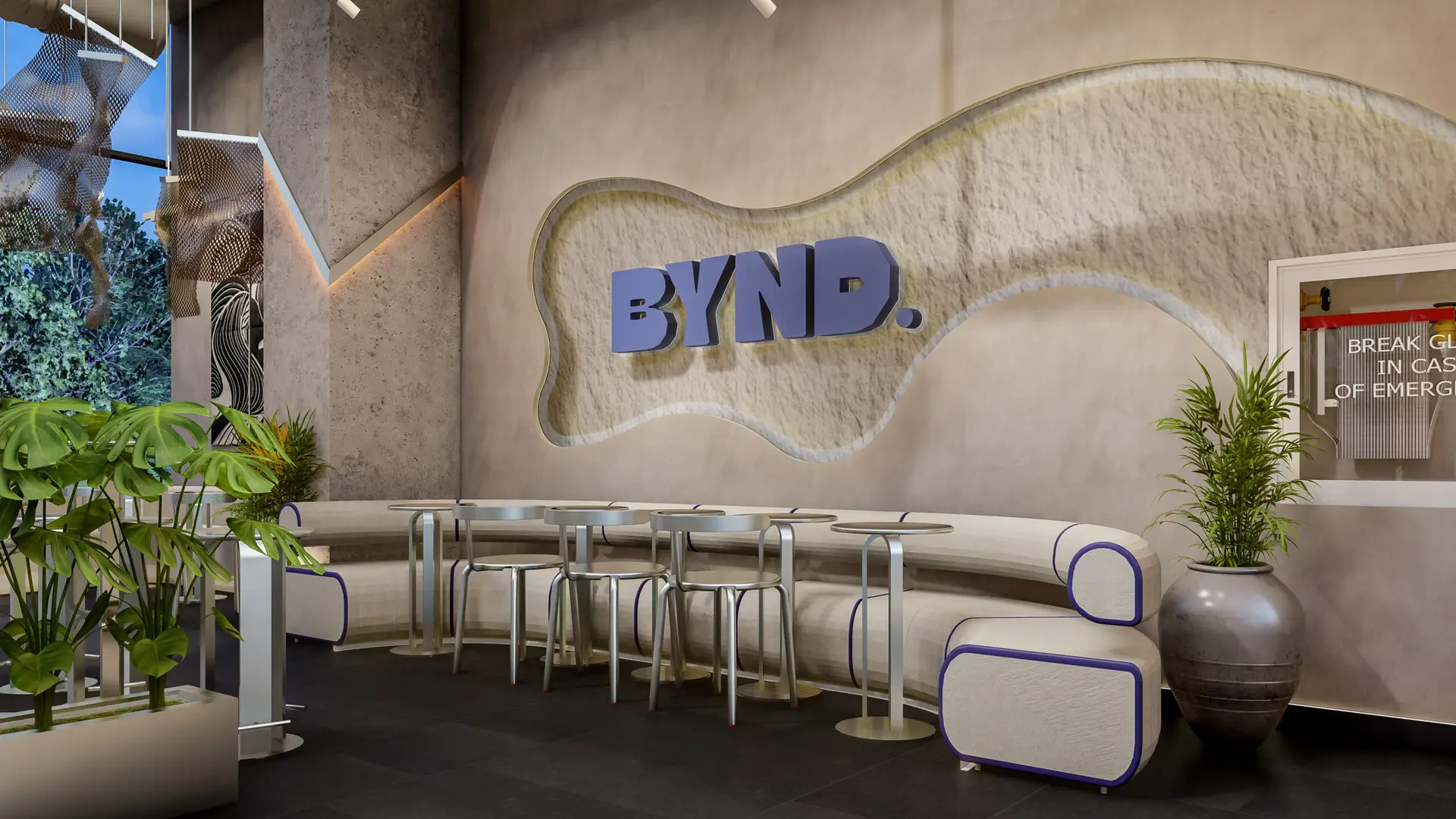
Gen Z is attracted to spaces that feel unique and full of character. A plain restaurant may not create a strong impression, but a space with bold design elements can stay in people’s minds.

Creative wall graphics, statement lighting, interesting textures, brand patterns, and eye-catching colors can make the restaurant more exciting. These design details help

create a strong visual identity and make the space feel different from other QSR brands.

Instagram-Worthy Moments Matter

For Gen Z, a good space is often a shareable space. They enjoy places that look good in photos and videos. This does not mean every corner has to be overdesigned, but adding a few strong visual moments can make a big difference.

A feature wall, neon sign, unique seating corner, creative packaging display, or bold brand message can become a photo-worthy spot. These moments help customers connect with the brand and also support organic social media promotion.

Branding Should Be Everywhere

In QSR design, branding is not limited to the logo. It should be seen and felt throughout the entire space. From the menu board and signage to packaging, uniforms, wall art, and digital screens, everything should feel connected.

For Gen Z, strong branding creates trust and recognition. When the interior design, packaging, and online presence all follow the same style, the restaurant feels more professional and memorable.

Comfort Without Slowing Down the Space

Even though QSR restaurants focus on quick service, comfort is still important. Gen Z customers may visit for a quick meal, a casual hangout, or even to grab food while working or studying.

The seating should be practical, flexible, and inviting. A mix of small tables, group seating, counter seating, and quick-stop areas can help support different types of customers. The goal is to create comfort without affecting the fast flow of the restaurant.

Technology Makes the Experience Smoother

Gen Z is comfortable with digital experiences, so technology can play an important role in QSR design. Digital menu boards, QR codes, self-ordering kiosks, mobile pickup areas, and clear order screens can make the process faster and easier.

When technology is used well, it does not feel complicated. It simply helps customers order faster, understand the menu better, and enjoy a smoother experience.

The Balance Between Trendy and Timeless

A Gen Z-focused QSR restaurant should feel modern, but it should not depend only on short-term trends. Trends can attract attention, but a strong design concept gives the brand long-term value.

The best approach is to create a space that feels fresh, bold, and current while still staying connected to the brand’s main identity. This balance helps the restaurant stay relevant for years, not just for one season.

Designing for the Future of QSR

QSR design for Gen Z is about more than creating a nice-looking restaurant. It is about designing a complete experience that is fast, functional, branded, and memorable.

When the layout supports smooth service, the branding feels consistent, the design creates visual impact, and the space offers comfort, the restaurant becomes more than a place to eat. It becomes a destination that customers want to visit, remember, and share.

A well-designed QSR restaurant can help a brand stand out in a competitive market and build a stronger connection with the next generation of customers.